


You probably hear acronyms and platform names lately that sound like something out of a science fiction movie. In this digital ecosystem, LMS (Learning Management Systems) have become the heart of modern education. But what exactly are they? Imagine them as a great “knowledge aggregator”: a single space in the cloud where notes, videos, exams, and communication are centralized, preventing information from getting lost in a sea of emails.
The magic of an LMS lies in its ability to manage chaos. For a teacher, it is the control tower from which they organize lessons, grade, and track each student’s progress in real-time. For us, as parents, understanding how they work is key to helping our children develop autonomy. It is not just a file repository; it is a management center where the student learns to organize their time, prioritize tasks, and interact in a controlled professional environment long before facing the working world.
I am often asked if studying through an LMS is the same as a traditional face-to-face class. The answer is a resounding no, and that is where its value lies. While face-to-face classes are based on synchronicity and direct contact, studying via an LMS fosters “asynchronous” learning. This allows a teenager to review a math video as many times as they need or participate in a discussion forum at their own pace. The LMS does not replace the teacher; instead, it amplifies their reach, allowing the classroom to become a space for practice while theory is managed flexibly on the platform.
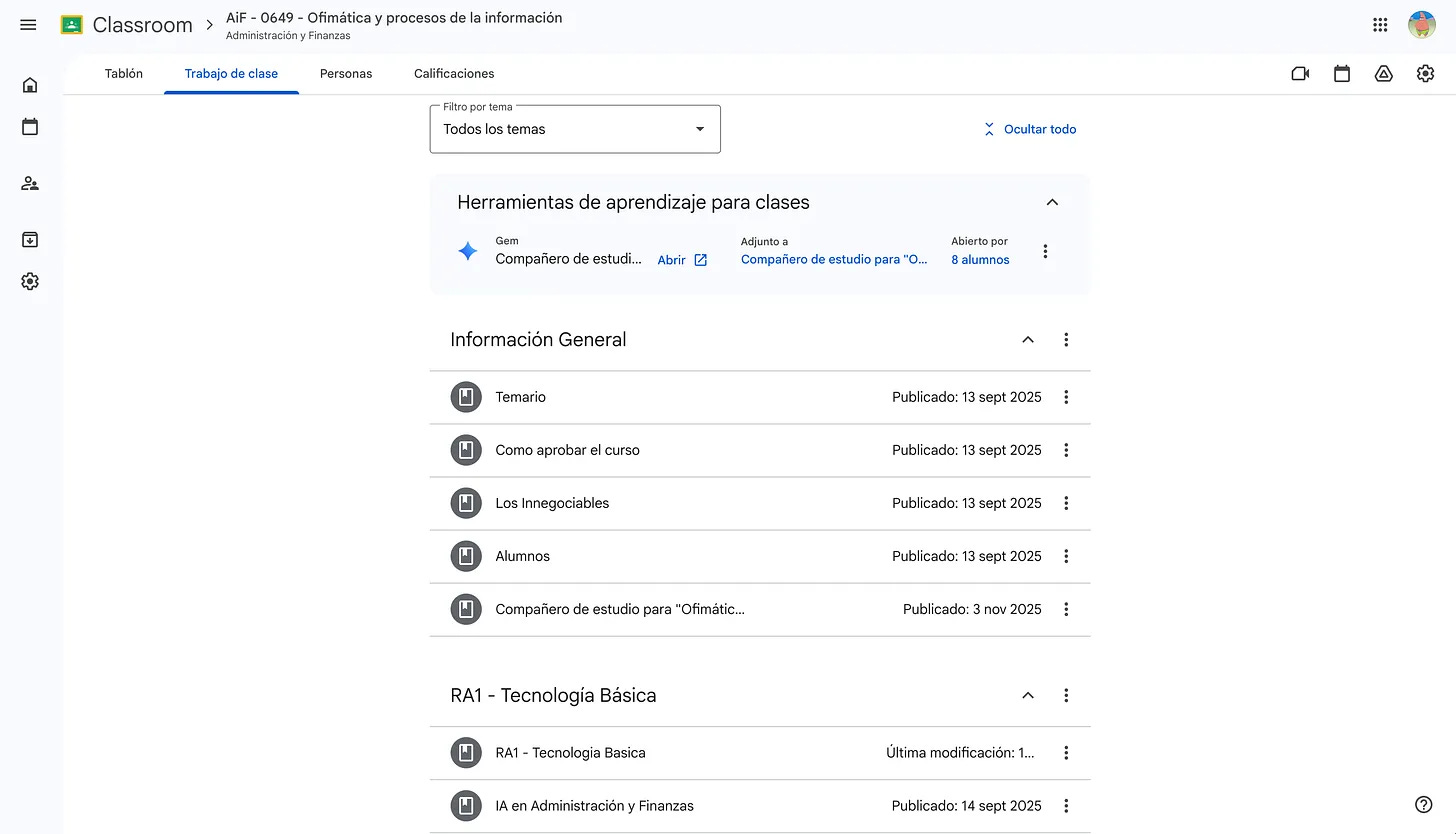
If we take a look at the tools your children might be using at school, the undisputed queens are Google Classroom and Microsoft Teams. Both are options integrated into ecosystems we already know and are noted for their simplicity. However, in recent years, Canvas has burst onto the scene. Unlike the previous ones, Canvas was born specifically as a pure LMS and stands out for its highly visual and easy-to-use interface, allowing both students and parents to see the delivery calendar and grades very transparently at a glance. It is, possibly, the platform that best balances technical power with a modern user experience.
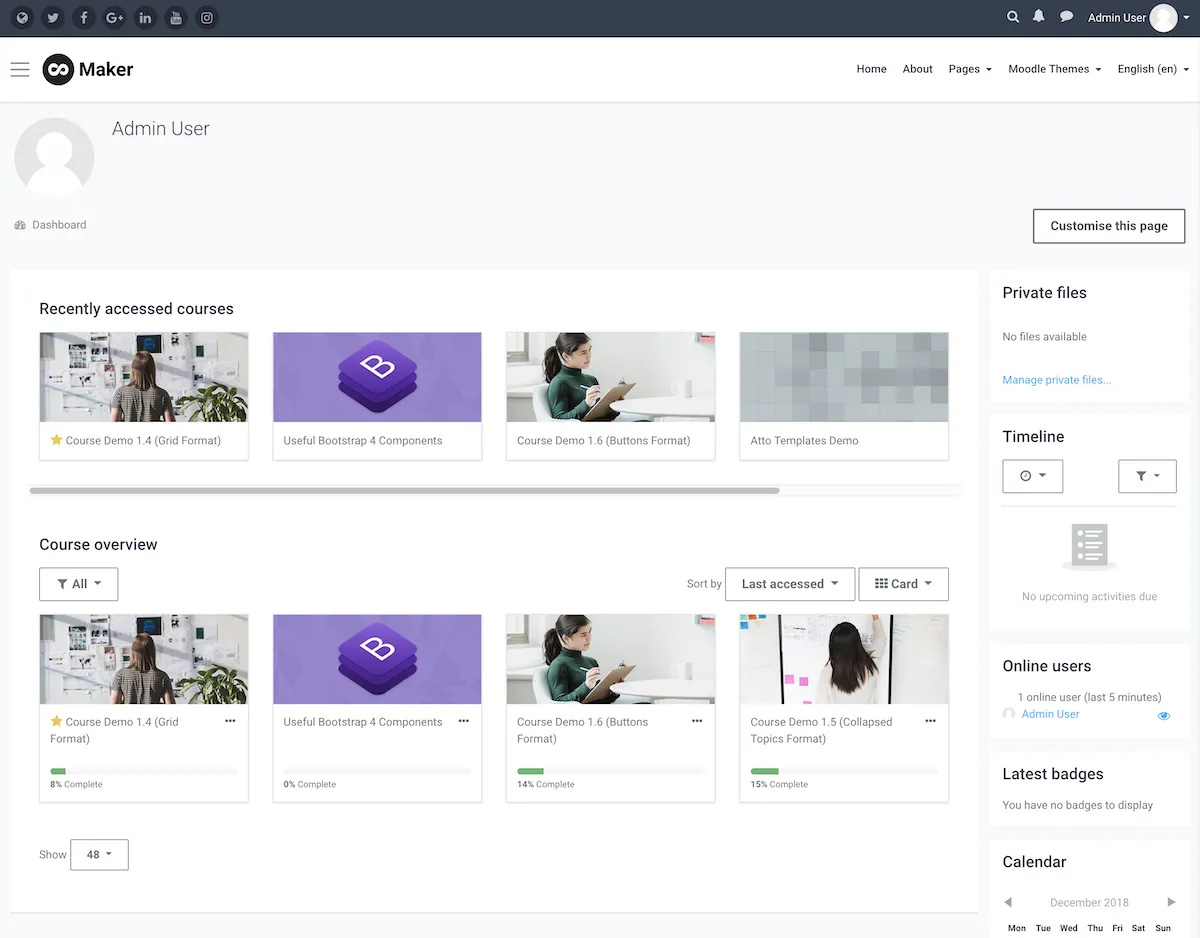
For projects seeking total independence from large corporations, the open-source standard is Moodle. It is the “veteran” of the group, an open-source option that allows for total customization. Although its interface may seem less “clean” than that of Canvas or Google, it is incredibly powerful for managing complex courses. It is the type of platform your children will likely encounter if they decide to pursue higher education or specialized technical training, as it offers much deeper pedagogical control than more commercial options.
But the world of free software doesn’t end with Moodle. There are other free and open gems like Chamilo, which stands out for being extremely lightweight and easy to learn (ideal if the educational center doesn’t want technical complications), or Sakai, which was designed by and for leading universities. These alternatives ensure that education does not depend on expensive licenses and foster a global community where software is improved collaboratively, conveying the values of sharing and building together to the students.
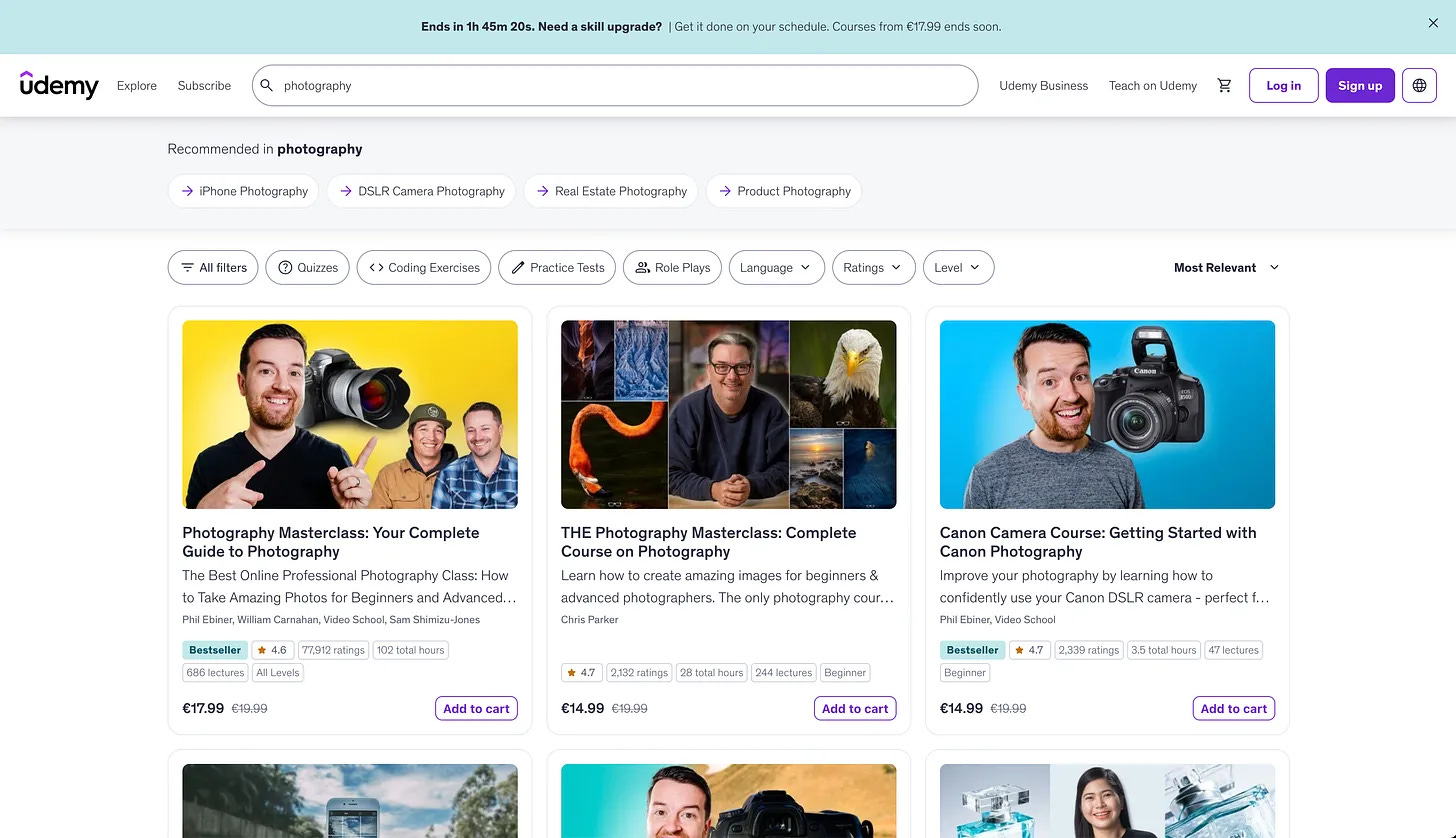
Online learning, moreover, extends beyond school hours. If your child has a special curiosity for programming, photography, or design, platforms like Udemy or Coursera are the ideal place. Udemy works as a global marketplace for practical and direct courses, ideal for learning specific skills quickly. Coursera, for its part, partners with prestigious universities (such as Stanford or MIT), offering a more formal academic structure. They are the perfect complements for a teenager to discover their vocation beyond the mandatory curriculum.
At the end of the day, the important thing is not just the tool, but the capacity it gives our children to own their own learning. A well-used LMS teaches them digital responsibility: knowing where to look for material, how to submit an assignment on time, and how to collaborate with other classmates remotely. These are skills that will serve them for life, regardless of whether they decide to be engineers, artists, or entrepreneurs in the future.
As I always say, technology should not be a wall, but a bridge. Don’t be afraid to take a look at these platforms with them. Ask them how they organize their folders in Classroom or what course catches their eye on Coursera. By getting involved, we show them that learning online is not a lonely task, but a shared adventure in which we can always guide them on the path of curiosity and discipline.