


If you follow this blog, you know we have a small “obsession” here at Papitek: transforming our children’s screen time. We want them to move from being passive consumers—those who devour 15-second videos one after another—to becoming digital creators.
As parents, we often feel lost searching for content that isn’t “digital trash” (full of ads, addictive algorithms, or unmonitored chats). That is why today I want to talk to you about a corner of the internet that is, quite simply, an educational gem: Google Experiments.
This isn’t a typical gaming platform. It is a showcase of experimental projects that use code, music, and artificial intelligence to show what is “under the hood” of technology. It’s a place where programming feels less like a math class and more like a magic trick they can control themselves.
Here is my selection of the most powerful experiments to explore as a family, organized by what your children can learn:
1. Demystifying Artificial Intelligence (AI)
Instead of seeing AI as something abstract or “magical,” these experiments teach them that machines learn because we train them. This is pure computational thinking.
Teachable Machine: The star experiment. It allows a child to use their webcam to teach the computer to recognize objects or gestures. Want the computer to clap when it detects you’re wearing glasses? You can do it here.
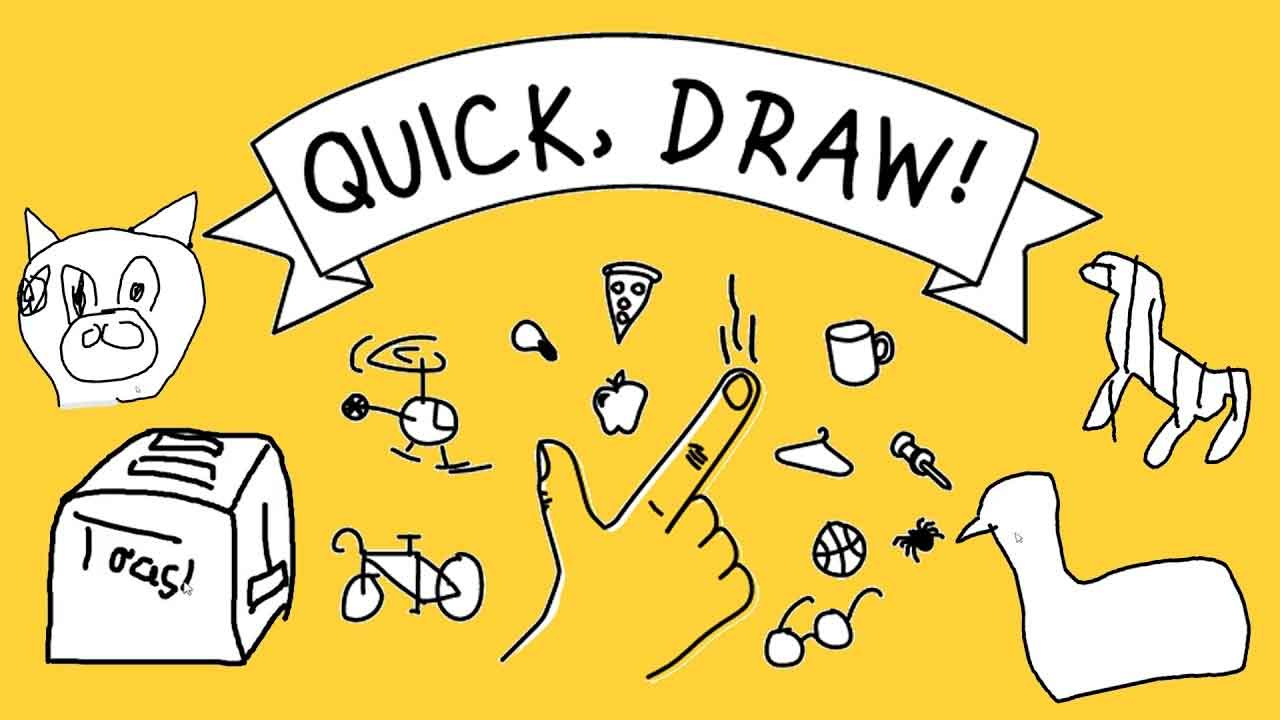
Quick, Draw!: A “Pictionary” game against a neural network. Kids draw, and the AI tries to guess what it is. It’s perfect for discussing how machines classify information and learning that, sometimes, they also make mistakes.
Say What You See: A description challenge. They must write what they see in an image so the AI can try to replicate it. A brilliant way to train precision in language and understand the “art of the prompt.”
Semantris: A word association game where the AI scores based on semantic relationships. Ideal for expanding vocabulary and understanding how machines connect logical concepts.
2. Art and Music: Where Code Becomes a Canvas
For those who think technology is “cold,” these experiments prove it is the ultimate creative tool.
Chrome Music Lab: A collection of visual tools to explore sound. From turning drawings into music to seeing how a sound wave vibrates. It is visual, intuitive, and fascinating music.
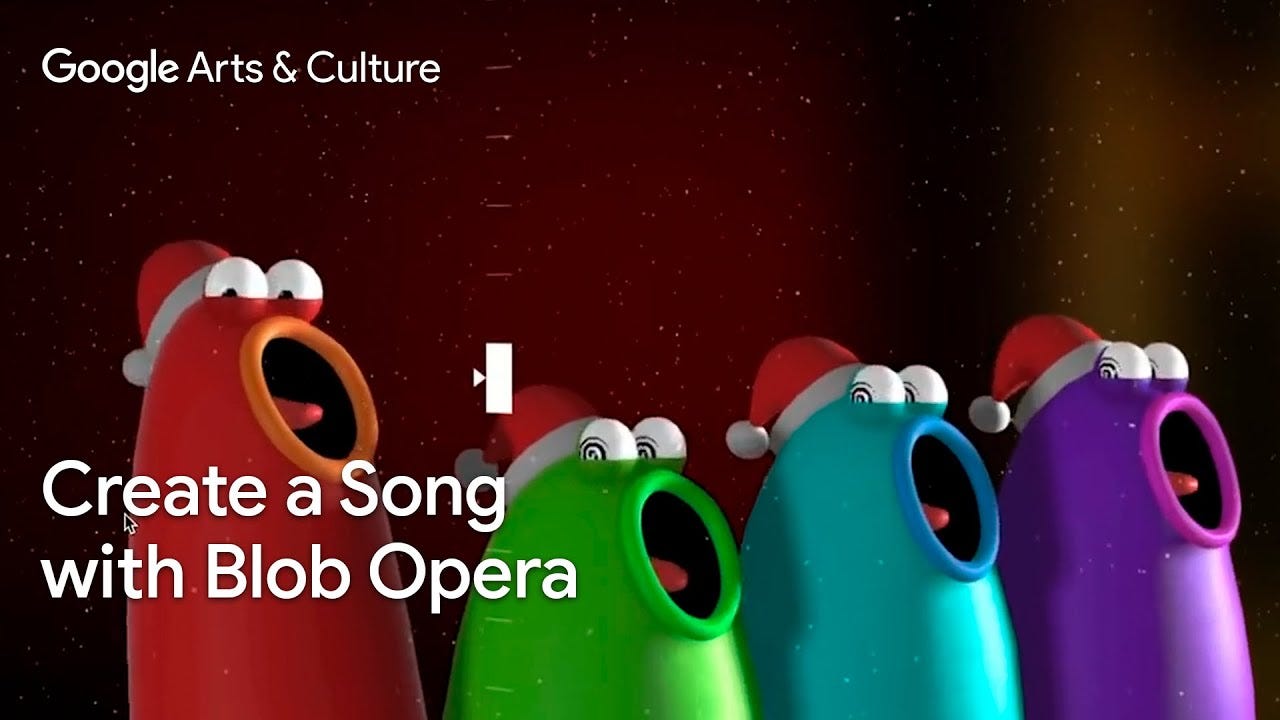
Blob Opera: Four “blobs” that sing opera in real-time. By moving them, they change pitch and harmony. It’s a lesson in vocal technique and musical harmony disguised as a fun game.
Shared Piano: A collaborative virtual piano. You can send the link to a friend and play together in real-time from different homes. Technology as a bridge, not a wall.
Land Lines: Draw a line or scribble, and the experiment will search for satellite images from across the planet (rivers, coastlines, roads) that match your stroke. A beautiful connection between art and real geography.
3. Science, Empathy, and the Real World
Experiments that use technology to expand our vision of the world and others.
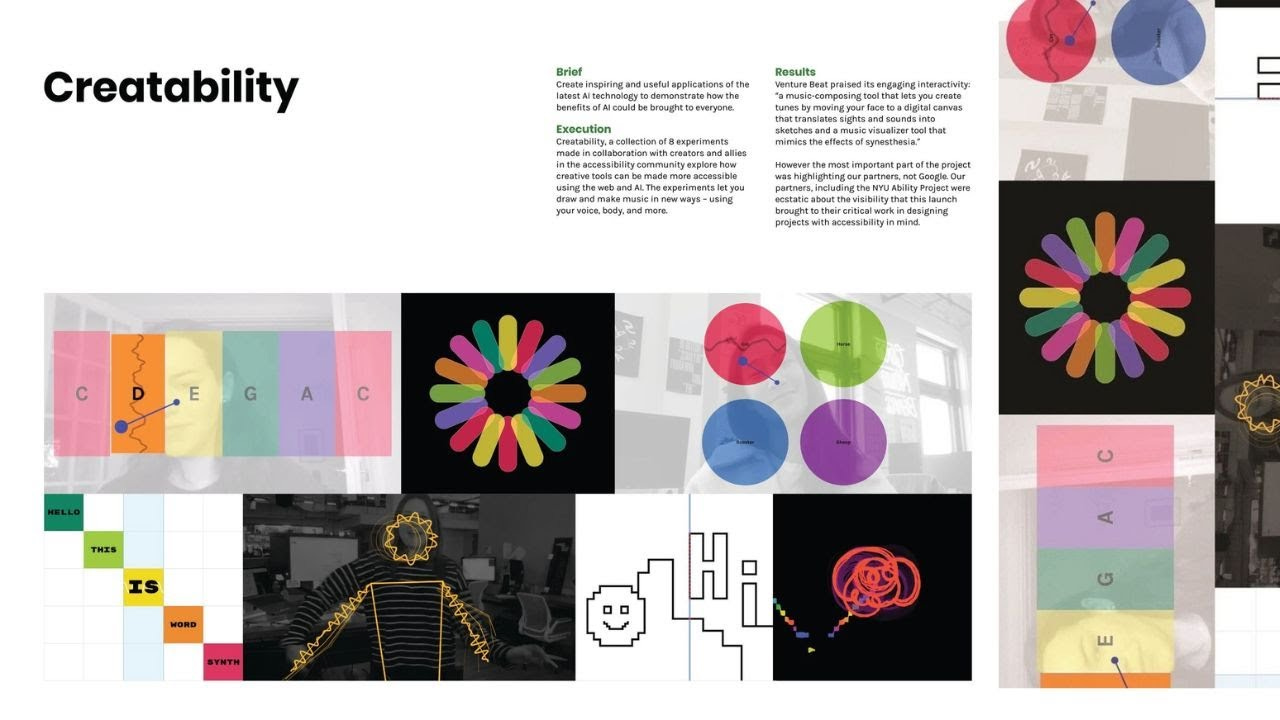
Creatability: Creative tools designed for people with disabilities. It teaches children how technology can be inclusive (for example, drawing with the movement of your nose).
The Hidden Worlds of the National Parks: An immersive journey through incredible ecosystems. You can fly over volcanoes or dive in reefs while experts explain the science behind what you see.
Shadow Art: Combines the physical play of shadow puppets with image recognition. You have to place your hands in front of the camera to form animals, and the AI helps you perfect the pose.
Google Arts & Culture: The infinite museum. It allows everything from seeing paintings in ultra-high definition to projecting artworks into your living room using augmented reality.
Why do we love this at Papitek?
As you’ve seen in other articles, we are concerned about the impact of social media and empty consumption. Google Experiments is the antidote for three reasons:
No ads or “hooks”: There are no algorithms trying to keep you there for three hours. The goal is for you to try something, learn, and leave with a new idea.
Open Source: Many projects show how they were made. They encourage that curiosity to “open the lid” of the machine.
Active Participation: Here you don’t just watch; you touch, you train, and you create.
One final piece of advice: Don’t leave them alone with these experiments. Sit with them. Try to “trick” the Quick, Draw! AI or compose a crazy melody in the Music Lab. When we get involved, we show them that the internet isn’t just a place to watch, but a giant laboratory for experimentation.