


A few days ago, a neighbor’s daughter, a 14-year-old adolescent, mentioned to me that while she was out on the street dancing and recording some TikToks with a friend, some boys approached to talk to them. What caught my attention about the story is that the boys “asked for their Insta and their Roblox.” I knew that Instagram had been acting as a sort of digital identity for years. Sharing it meant giving access to your online world. It meant allowing the other person to communicate with you and see everything you wanted to share.
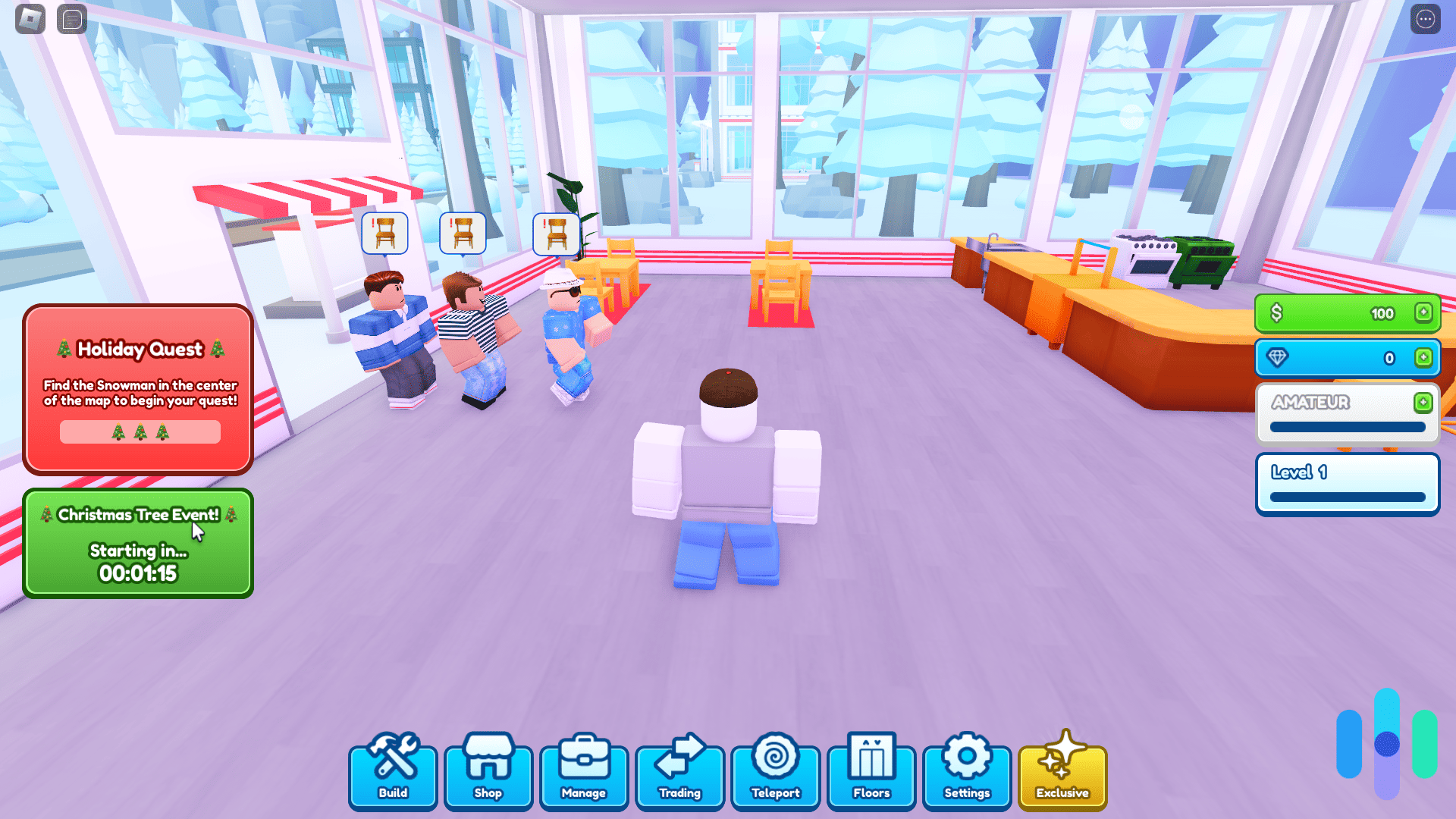
What I was unaware of was the popularity of Roblox in that regard. If a teenager asks for it so casually, it means it has become a standard. For those who don’t know it, Roblox is a platform with a Minecraft-like aesthetic where users can create video games that also act as meeting spaces between avatars. Roblox is played daily by more than 150 million people, 40% of them under the age of 13.
Roblox has become a risk for the online safety of minors. It has filled up with extreme content open to everyone and has become an anonymous meeting point between adults and minors without any type of control. A few weeks ago, they announced facial recognition to detect the age of users and only grant communication permissions to users of similar ages. It is an attempt to dodge the tip of the iceberg, which are the cases of online pedophilia, but the design of the tool—fighting for attention without taking into account the user’s well-being—already poses a threat to such young ages.
Online identity and the consequences of digital anonymity have been one of the great subjects of study since the beginning of social communications on the internet. Chats like ICQ or IRC are part of my digital adolescence, and they were a first contact with that strange sensation of being part of a forum where you are only what YOU say you are. Then came social networks like MySpace, Facebook, or Instagram, and constructing your digital identity started to get complicated and required almost as much time as we dedicate to our offline lives.
Each of those digital spaces has had its rules, its risks, and its entertainments. It is difficult as a father or mother to think that you are going to have to immerse yourself in all of them until your children are capable of discerning the correct uses. Personally, social networks of any kind cause me more and more trouble. However, it is useful to get informed about our children’s main communication channels. Above all, with the goal of keeping them informed on the best way to make the most of them.
There is such a quantity of alternatives with which to build your digital identity that it is not necessary to do so through potentially toxic platforms. You can even survive being an adolescent and not having Instagram. Cases occur, however rare they may be, and from what is known, they are in a perfect state of social health. However impossible that might seem to a 14-year-old today.